Need to talk? Call 9898: free, confidential, 24/7 in Liberia.

Get support now

Our impact

What we can show, and how we measure it

Every figure on this page has a source and a reporting period. We separate what we have done and counted from the changes we are working to measure.

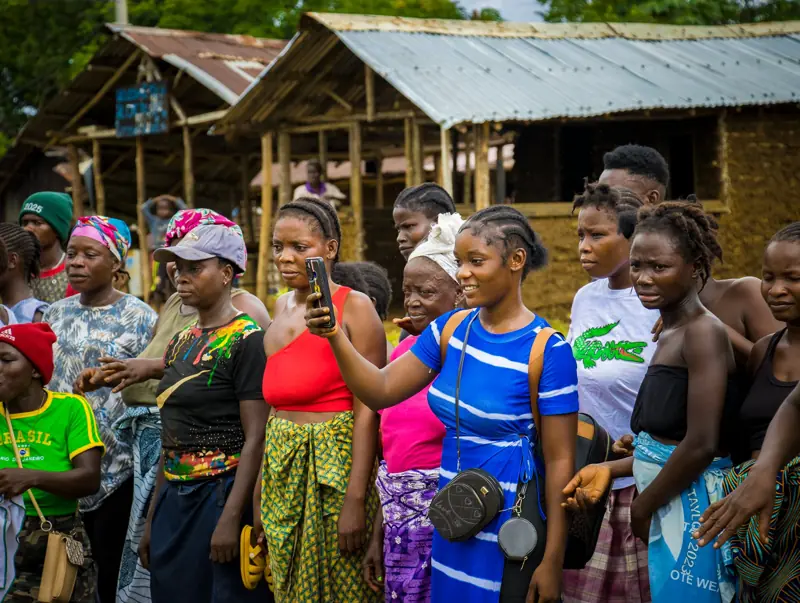
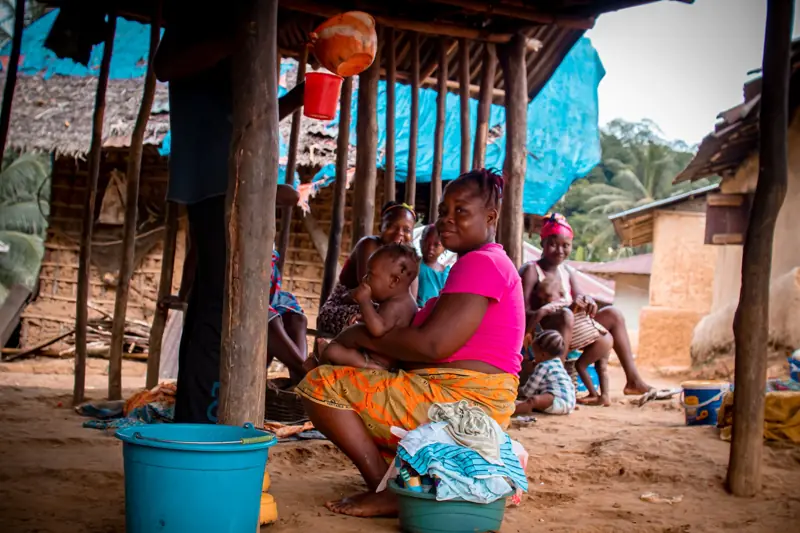
Community members gathered during an outreach activity.

Our reach

Explore the figures

Select a figure to see what it counts, the period it covers and where it comes from.

Output

140,000+

Calls received

Calls to the 9898 hotline from across Liberia and Africa.

Period: Cumulative, published 7 April 2026

Source: Reeves R. "Letters to Strangers Liberia (L2SLiberia): Building a Mental Health System from the Ground." Liberian Investigator, 7 April 2026.

Where we work

National by phone, local in person

The hotline has received callers from all 15 counties. In-person Mobile Clinic and community work runs in three counties, with Nimba next. Select a county to see what is available there.

Schematic map: counties are arranged by approximate position, not drawn to scale.

Selected county

Montserrado

Hotline callers, plus Mobile Clinic and community programmes.

  • Mobile Clinic and community operations
  • First outreach planned (Oct 2026)
  • Hotline reach: callers from all 15 counties

Outputs, outcomes and impact

Being clear about what the evidence shows

Outputs · documented

What we did and counted

  • • A national toll-free line operating 24/7 since 2021
  • • Calls answered and referrals made
  • • People reached in three counties
  • • Clinicians and young people trained

Outcomes · being measured

What changes for people

  • • Calls answered within three rings (target 95%+)
  • • Safety plans for every critical call (target 100%)
  • • Referrals followed up within 72 hours (target 85%+)
  • • Callers who felt heard and safe (target 90%+)

Targets: Letters to Strangers Liberia, Theory of Change, 2026.

Impact · long term

Lasting change

  • • Less stigma and more help-seeking in communities
  • • Less untreated severe mental illness
  • • More government investment in community mental health

Assessed through independent evaluation.

The context

Why this work is needed

Select a view to compare.

Symptoms among Liberian adults
PTSD symptoms44%
Major depression symptoms40%

National population survey of 1,666 adults. Scale: 0–100%.

Source: Johnson K, et al. Association of combatant status and sexual violence with health and mental health outcomes in postconflict Liberia. JAMA. 2008;300(6):676–690.

Human impact

What change looks like

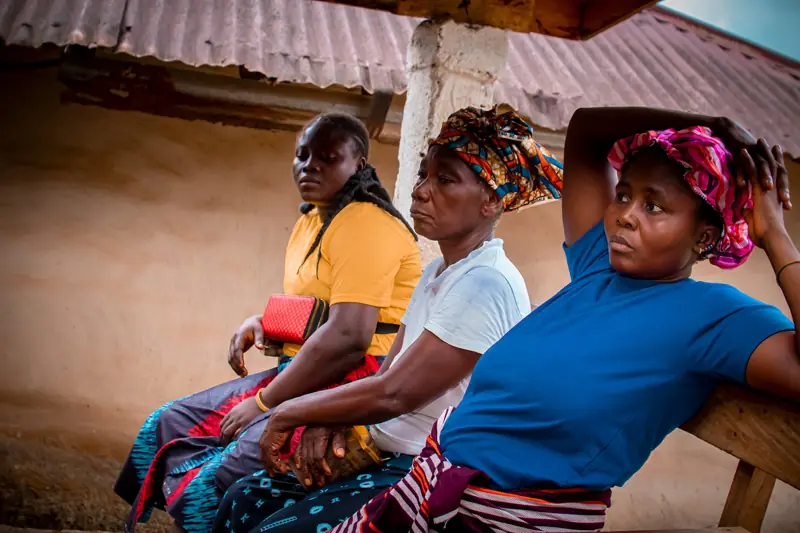
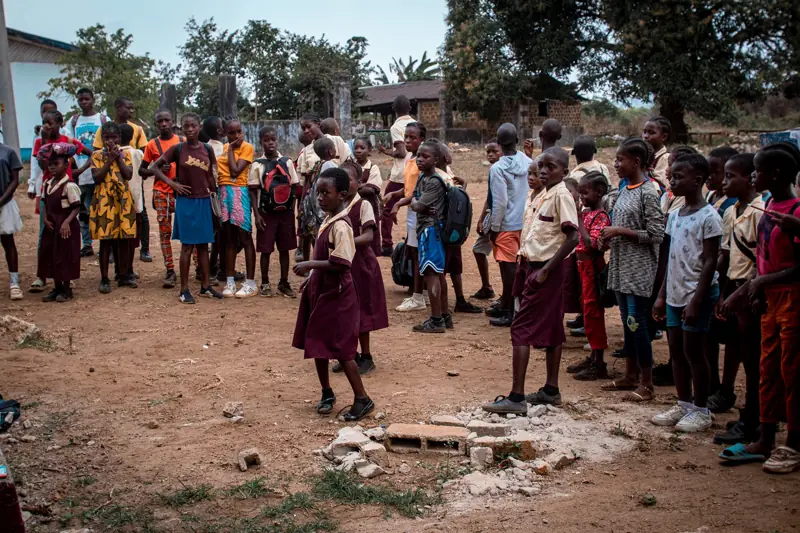
These accounts are anonymised. Names and identifying details are withheld, and the photographs do not show the people described.

A mother in Grand Bassa

She had not slept properly in three years. Since her husband died she had carried the grief in silence, with no money for a clinic. A neighbour told her about the hotline. She called, and was listened to for the first time. Within a week the Mobile Clinic visited her community. Today she leads a peer support group for other women.
A teenage boy in Nimba

Anger left over from childhood violence was destroying his relationships, and he was about to drop out. A teacher trained by L2SLiberia recognised the signs and encouraged him to call. He was referred for youth counselling through our partner network. He stayed in school and graduated.

A survivor in Montserrado

She called at 2 a.m. in immediate danger. The counsellor stayed on the line. Within the hour she was connected to a safe house, and the case was reported to the Women and Children Protection Unit. She received trauma counselling, legal support and follow-up. She is safe.

Accounts from: Letters to Strangers Liberia, Our Model, 2026.

Read the full evidence-based story

Our 2026 publications set out the evidence, our methods and our plans in detail.